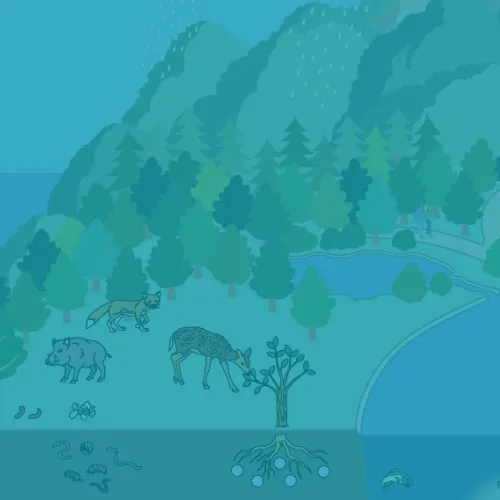
Nature
Components of Nature
Earth’s natural environment comprises several interacting systems, including the atmosphere and hydrosphere. The atmosphere is the layer of air surrounding the Earth. Composed mainly of nitrogen and oxygen, the atmosphere insulates the Earth and shields it from harmful ultraviolet radiation. The hydrosphere encompasses all water bodies, such as rivers and oceans, and is indispensable for life.
Air and water move continuously and circulate around the planet, redistributing heat and matter across the Earth.
- Atmosphere
- Hydrosphere
- GeosphereComing soon


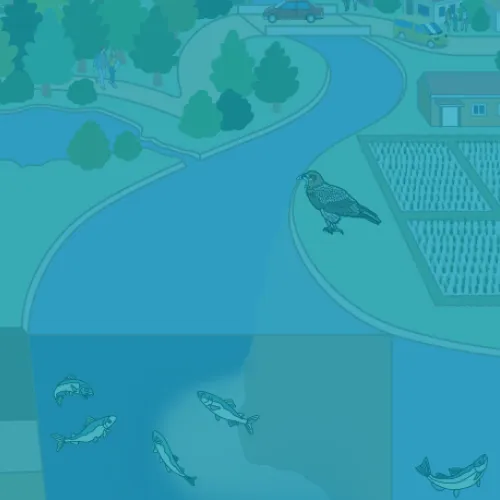

Earth’s Material Cycles
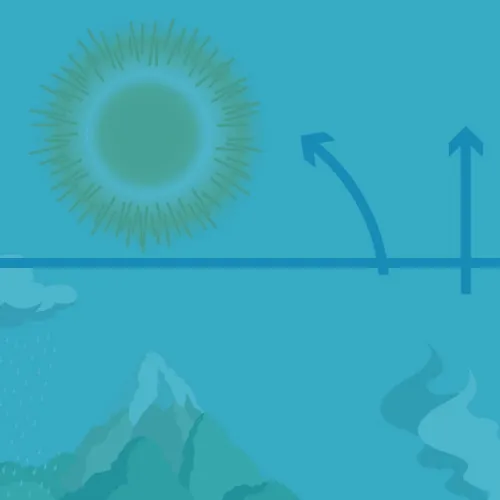
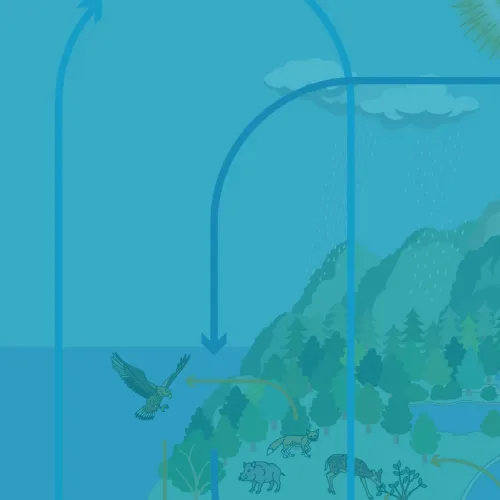
Human life and economic activity rely on Earth’s material cycles, such as atmospheric circulation, the water cycle, and the carbon cycle. Temperature differences drive atmospheric circulation, which moves heat and water vapor. Water travels around the Earth in gaseous, liquid, and solid form, transporting heat, nutrients, and other substances. Seawater is desalinated during the water cycle, creating usable freshwater. Carbon in the form of carbon dioxide is converted into organic matter through plant photosynthesis. Subsequently, it moves through the food chain and returns to the atmosphere when plant remains and feces decompose through microbial activity. Although nature maintains a balanced carbon cycle, fossil fuel use disrupts that balance.

Nature’s Contributions to People (NCP)
The benefits that nature provides to society and the economy are called ecosystem services or Nature’s Contributions to People (NCP). NCP is generally grouped into nature’s material contributions, regulating contributions, and non-material contributions, and human social and economic activity depends on these contributions. Ecosystem services and NCP are closely tied to human rights, and environmental degradation caused by businesses can emerge as human rights risks for companies.