Components of Nature
The natural environment comprises several interacting systems, including the atmosphere, hydrosphere, geosphere, and biosphere. This section highlights the atmosphere, which envelops the Earth, and the hydrosphere, which circulates as a fluid, explaining their characteristics and interrelationship.
Atmosphere
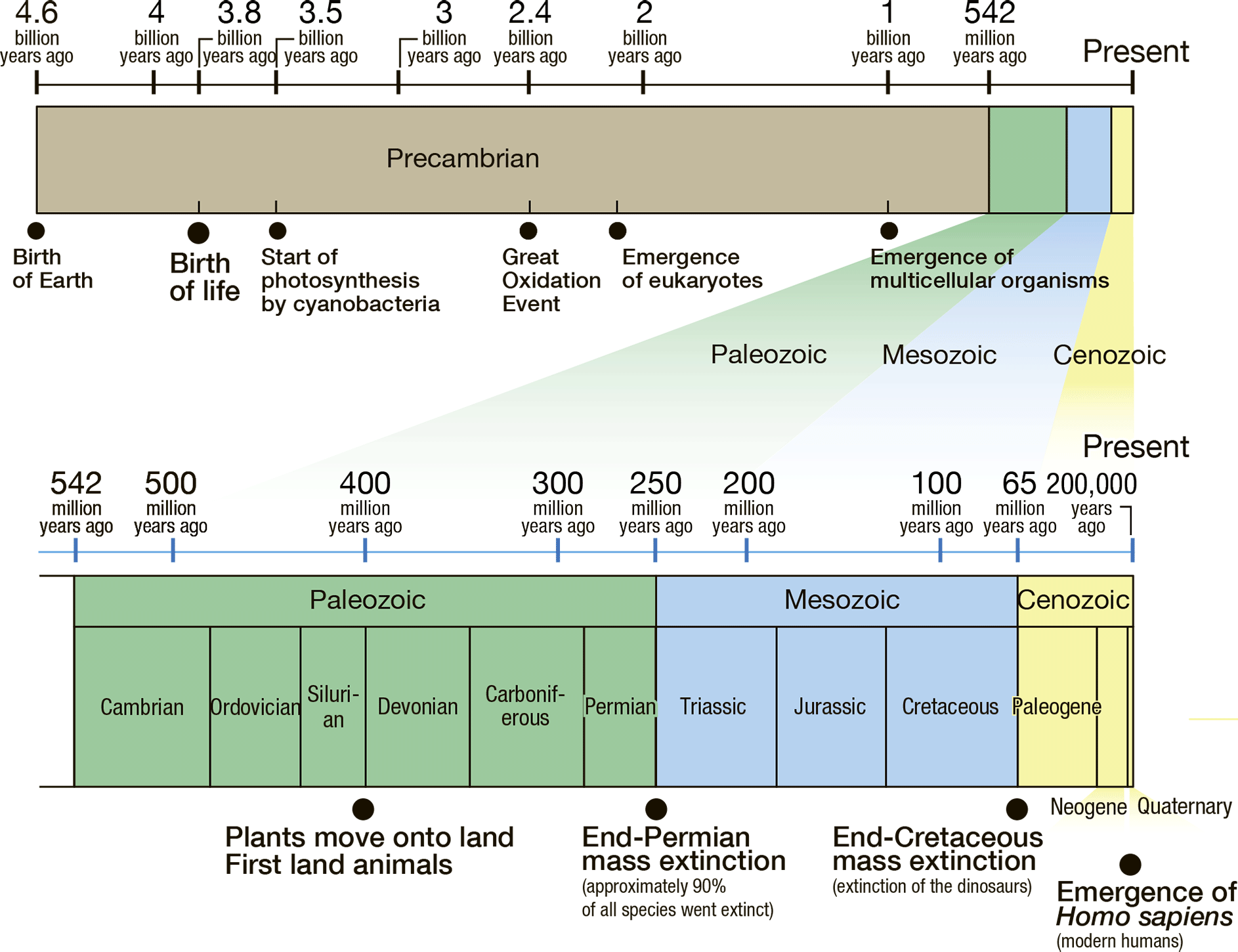
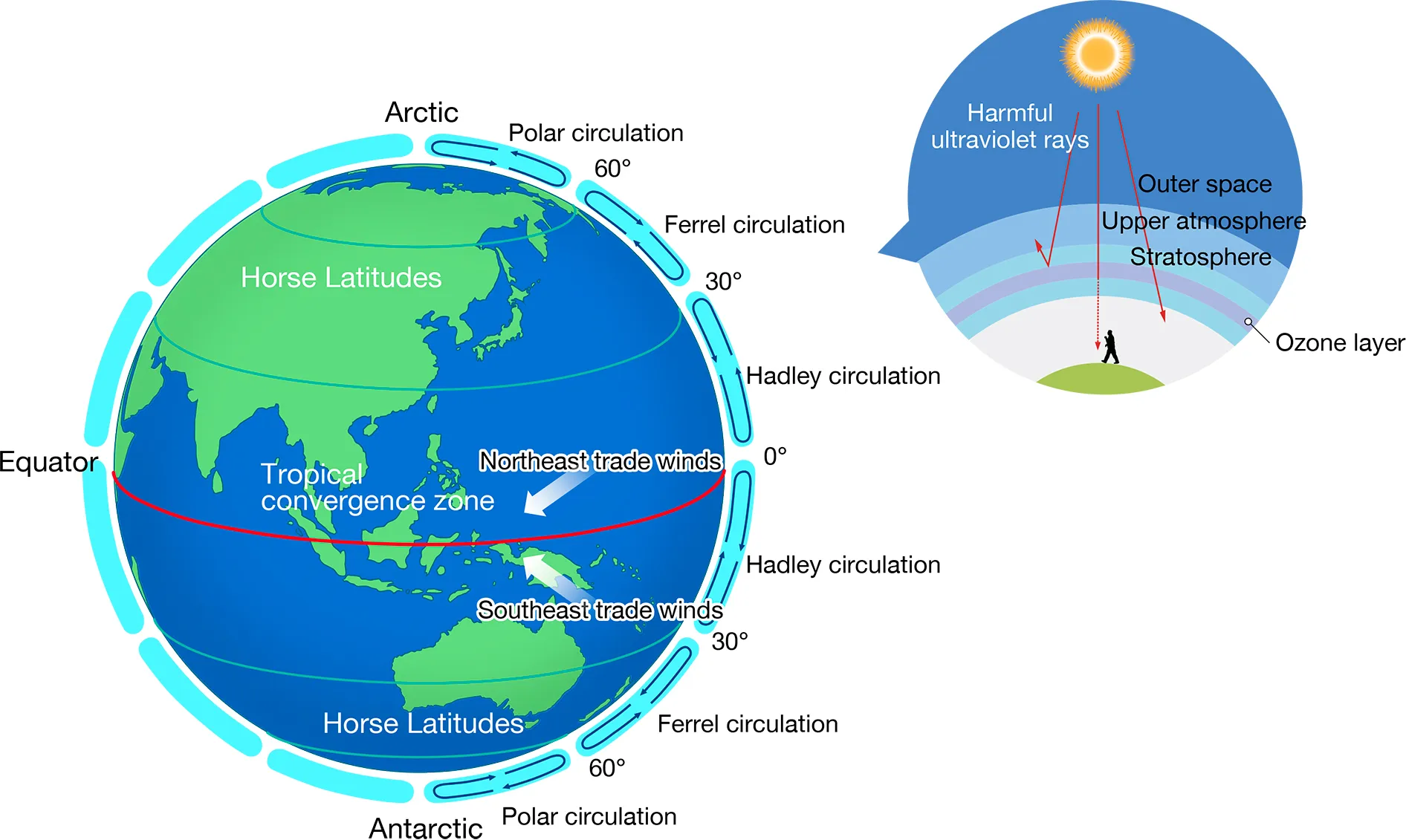
The atmosphere contains mostly nitrogen (approximately 78%) and oxygen (approximately 21%), along with small amounts of water vapor, carbon dioxide, and aerosols, such as tiny droplets and particles. Soon after the Earth formed, volcanic activity released gases, such as carbon dioxide, methane, and ammonia, which dominated the early atmosphere, and oxygen was scarce. Approximately 2.5 billion years ago, organisms capable of oxygenic photosynthesis formed and multiplied, increasing atmospheric oxygen and gradually shifting the atmospheric composition toward what it is today. Simultaneously, rising oxygen levels triggered reactions between some oxygen molecules and the ultraviolet radiation from the sun, slowly creating the ozone layer. The ozone layer absorbs ultraviolet rays harmful to life, and its formation is believed to have enabled organisms to inhabit land.
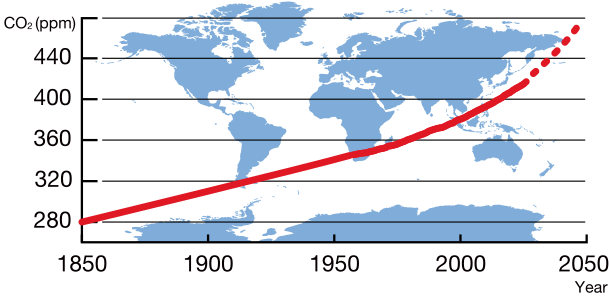
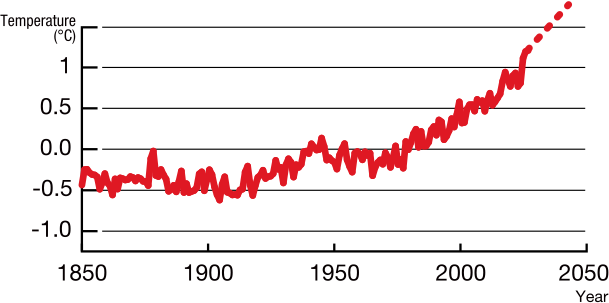
The atmosphere also functions like a greenhouse. Without it, the Earth’s average surface temperature would drop to roughly -15 °C. However, water vapor and carbon dioxide absorb the infrared radiation emitted by the Earth and maintain an average temperature of approximately 15 °C, supporting conditions suitable for life on Earth. Since the Industrial Revolution, atmospheric carbon dioxide concentrations have risen from roughly 280 ppm to 420 ppm (ppm: 0.0001%), driven by fossil fuel combustion and other factors. By 2024, the Earth’s average temperature had increased by around 1.55 °C compared to the 1850–1900 average*. The rise in greenhouse gases, including carbon dioxide, is the dominant driver of climate change, making the reduction of such emissions an urgent global priority. As the atmosphere’s chemical composition is delicately balanced, even small shifts can significantly influence the Earth’s climate.
- * IPCC AR6 reports a 1.09 °C temperature increase from 2011 to 2020 relative to the 1850 to 1900 baseline.

Temperature differences in the atmosphere generate atmospheric movements on many scales. Vigorous convection occurs in the troposphere, located 10–16 km above the Earth's surface, where the warm air below and cooler air above exchange positions. Most everyday weather phenomena, including clouds and precipitation, occur in the troposphere, where heat and water move through weather processes.
Atmospheric temperatures also shift in a horizontal direction across the Earth. Temperatures are generally warmer at lower latitudes near the equator and colder at higher latitudes toward the North and South Poles, and these contrasts drive large-scale atmospheric movement that acts to balance the differences. Persistent winds, including the westerlies that form the jet stream, arise when the force of rotation (Coriolis force) influences these atmospheric movements, and they play a major role in circulating water and other materials around the planet. For additional details on the Earth’s material cycles, please refer to “ Earth’s Material Cycles. ”
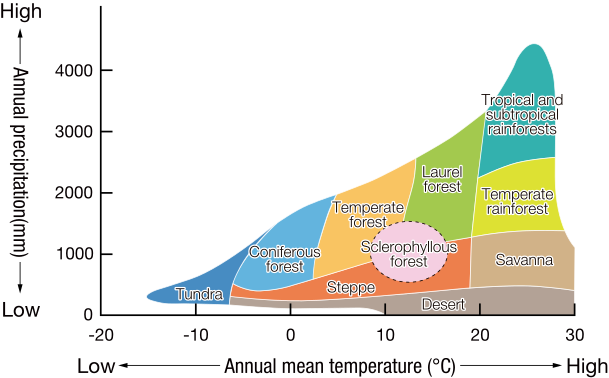
As the atmosphere is always moving horizontally and vertically, it serves as a key environment for circulating heat, water, and materials, and it stands as a defining feature of the natural environment. Biomes, such as tropical rainforests and deserts, are shaped by temperature and precipitation patterns, and vegetation, in particular, is strongly linked to climate conditions. Atmospheric heat and water circulation strongly affect the distribution of temperature and precipitation. Thus, the atmosphere is also vital for forming Earth’s diverse biomes.
- Source:
-
- Jet Propulsion Laboratory “Climatic Zones,” modified by Marubeni
Hydrosphere
The hydrosphere encompasses all locations on Earth where water is present, including oceans, rivers, lakes, groundwater, and even water vapor in the atmosphere.
The hydrosphere originated roughly 4 billion years ago. During that period, the Earth’s surface was covered with molten magma, and as cooling progressed, volcanic activity released water vapor that condensed into rainfall and formed the oceans. During this stage, seawater absorbed atmospheric carbon dioxide, reducing the greenhouse effect. The oceans created in this way help regulate the Earth’s temperature and exert a major influence on the climate.
The hydrosphere plays a central role in moving energy and materials throughout the planet. Water vapor that evaporates from warm ocean surfaces releases heat when it condenses in the atmosphere, strengthening atmospheric convection. Clouds partially reflect the incoming sunlight and cool the Earth’s surface, and at night, they trap the infrared radiation and keep the surface warm. The hydrosphere is also critically important as a solvent, a place where chemical reactions occur, and a transport medium that sustains biological activity. Rivers, for instance, carry nutrients, such as calcium and silica, to the oceans, and these substances are vital for phytoplankton.
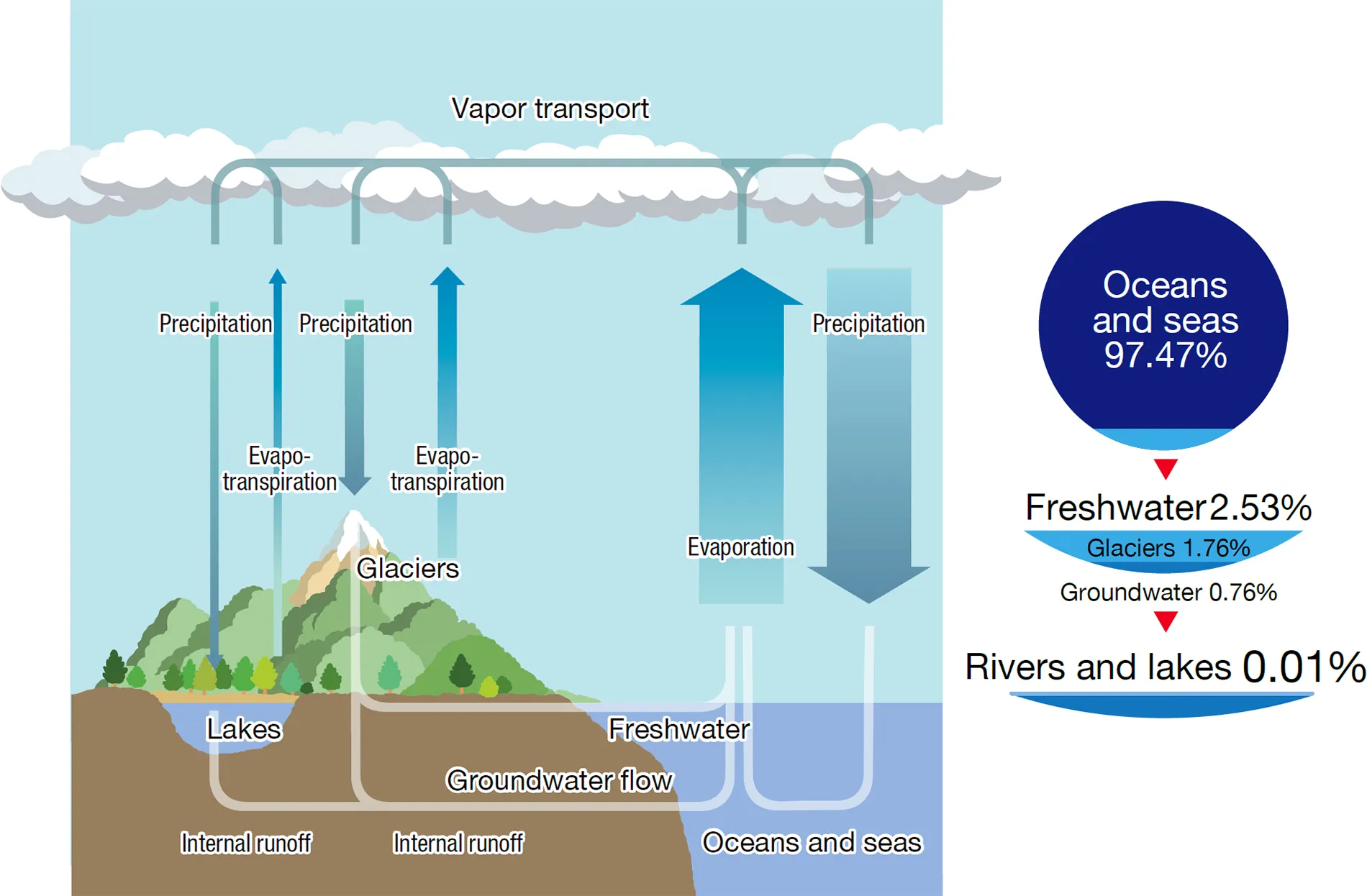
Only about 2.5% of all the water on Earth exists as freshwater, including surface water and groundwater. About 70% of this freshwater is stored in glaciers, and roughly 30% is groundwater, which means merely 0.01–0.02% of the total global water is available for human use. Although limited, these freshwater resources serve crucial roles as drinking water, agricultural water, and industrial water, and managing them is a challenge that humanity must confront. Freshwater supply and demand differ by region; while some areas have plentiful supplies, others suffer from severe shortages. This uneven distribution has a direct effect on regional societies and economies. Therefore, international cooperation is necessary for the management and allocation of freshwater resources.
Through the water cycle involving oceans, clouds, rain, rivers, and groundwater, the hydrosphere circulates heat and materials across the Earth. The hydrosphere is indispensable to the Earth’s climate and ecosystems, and it is closely tied to human life.
- Source:
Column
History of the Earth
The Earth is assumed to have formed about 4.6 billion years ago. When it formed, the planet was extremely hot and entirely covered in magma. Over several hundred million years, the surface cooled, and the abundant water vapor surrounding the Earth began to condense and fall as rain, creating the oceans roughly 4 billion years ago. Life is believed to have first appeared in the oceans around 3.5 billion years ago, and organisms are assumed to have transitioned to land roughly 400 million years ago. Modern humans emerged approximately 250,000 to 400,000 years ago.
The atmospheric composition, temperature, and other features of the global environment have undergone many major shifts since the Earth’s formation to the present day. These environmental changes have resulted in five mass extinction events in Earth’s history. In recent times, however, human social and economic activities have been identified as causes of temperature change, specifically global warming, and species loss, making it increasingly urgent to halt human-driven alterations to the global environment.